












Experiences
The moments worth the journey
Sights fade; moments stay. These are the experiences we weave into itineraries — each one chosen because guests remember it years later.

Faith & architecture
Buddhism shapes the landscape here as much as the mountains do — in fortress-monasteries, roadside chortens and prayer flags on every ridge.
-
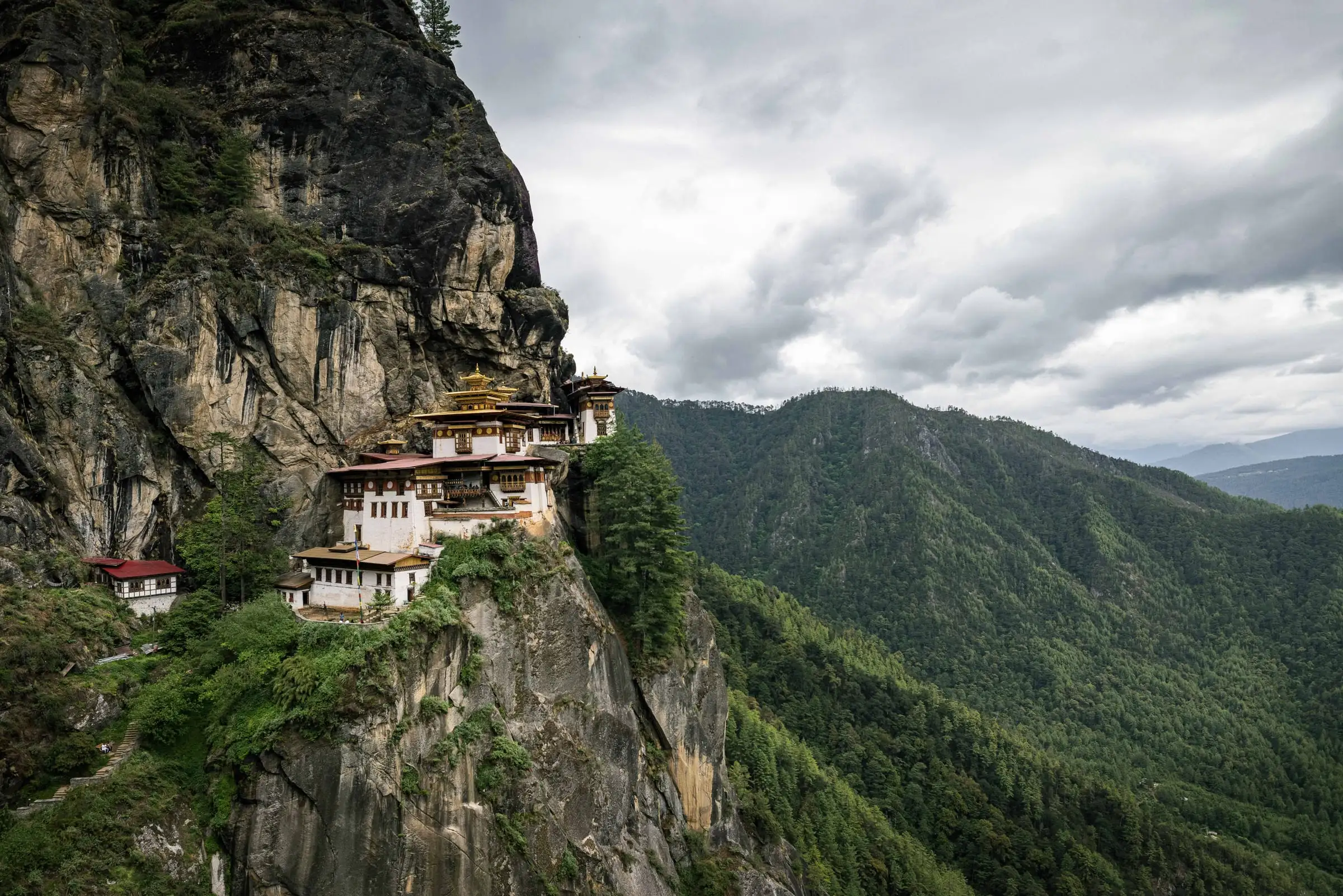
Paro
The climb to the Tiger's Nest
A steady three-hour ascent through blue pine and prayer flags to Taktsang, the monastery built where Guru Rinpoche is said to have meditated. Most guests remember the last viewpoint, when the temples appear across the gorge, more than the summit itself.
-
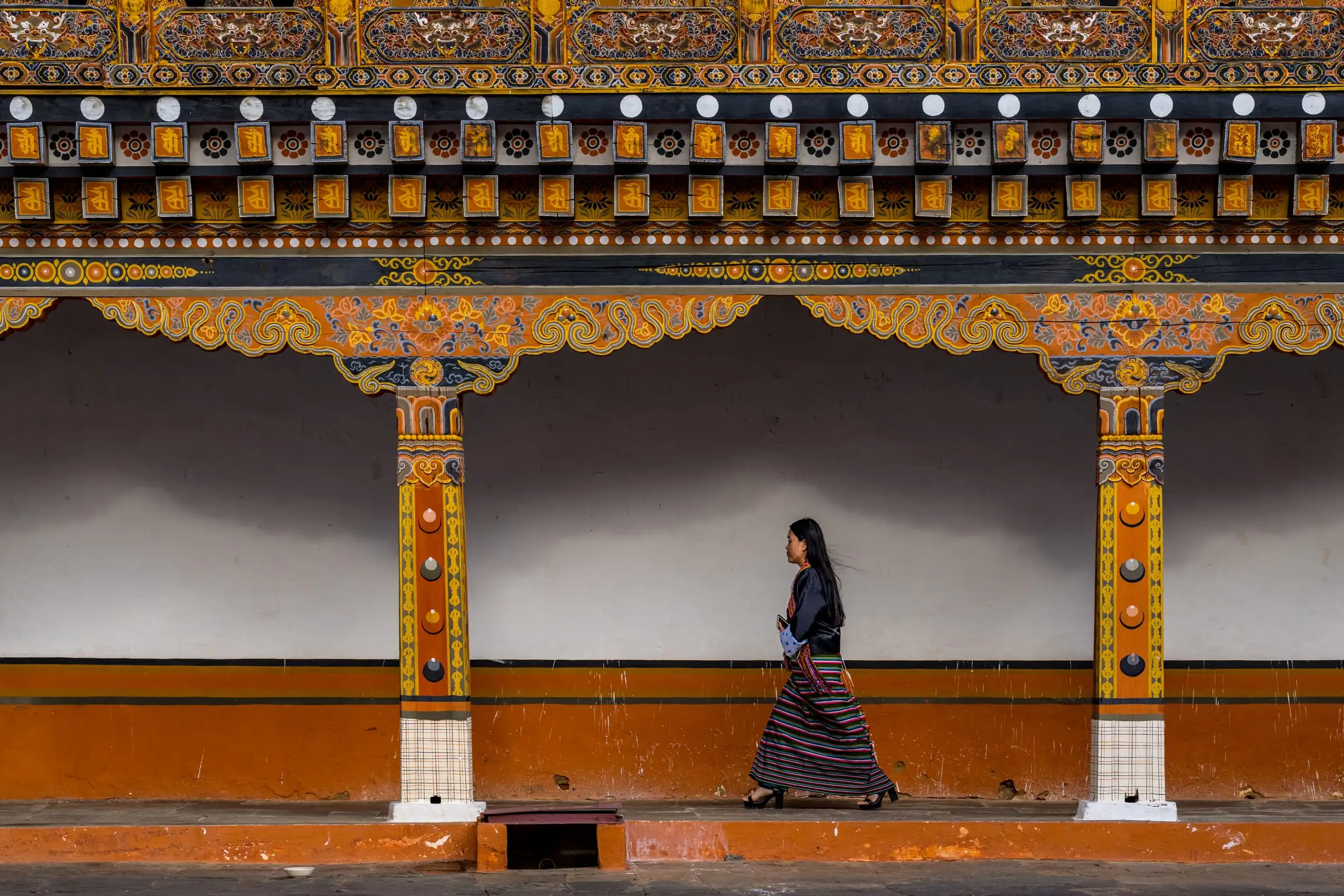
Punakha, Paro, Trongsa
Inside a working dzong
Dzongs are still the seat of district government and monastic life. Walk the courtyards with a guide who can read the murals, explain the separation of monastery and administration, and point out where the monks study.
-
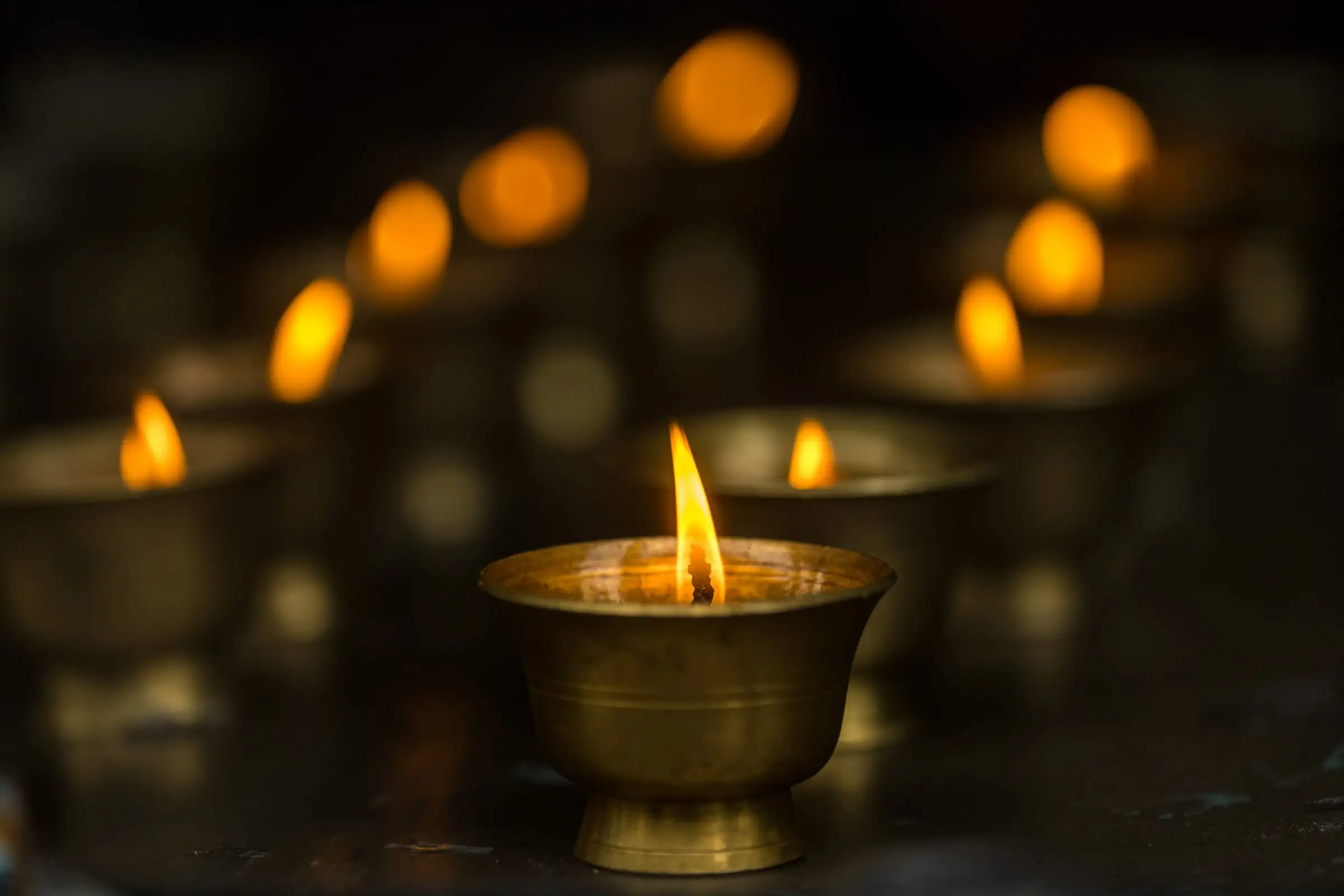
Across the country
Butter lamps and morning prayers
Arrive at a lhakhang early, when caretakers light the lamps and locals make their rounds. It is a quiet, unscripted glimpse of devotion — your guide will show you how to make an offering if you wish.


Food, craft & home
The best afternoons often happen indoors: around a farmhouse stove, beside a loom, or over a bowl of red rice and ema datshi.
-
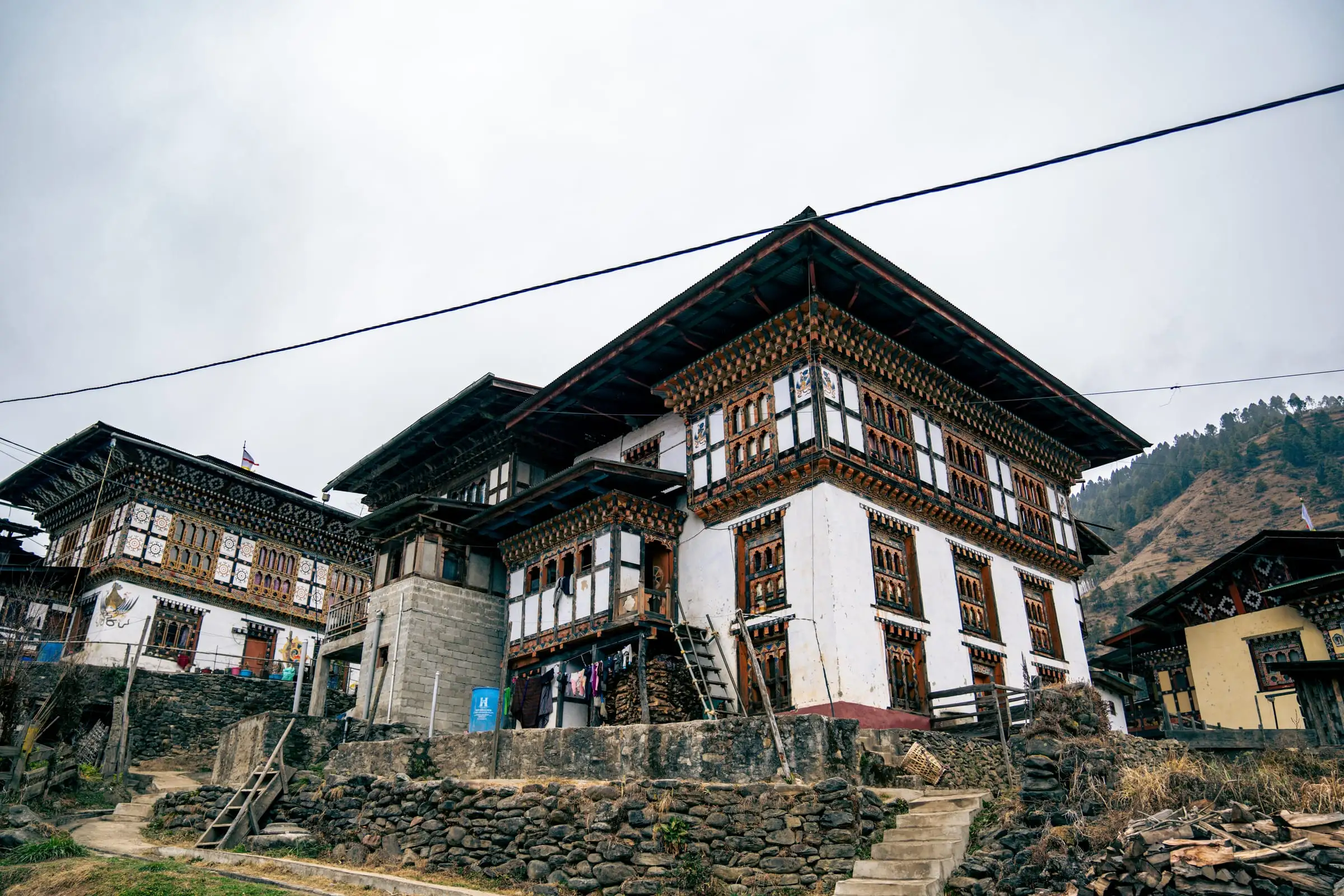
Paro, Haa, Phobjikha
An evening in a farmhouse
Sit by the wood stove in a three-storey rammed-earth home, share butter tea and ara with the family and help cook dinner. Some guests stay the night in a simple farmstay room; others return to their hotel full and happy.
-
Thimphu or a village kitchen
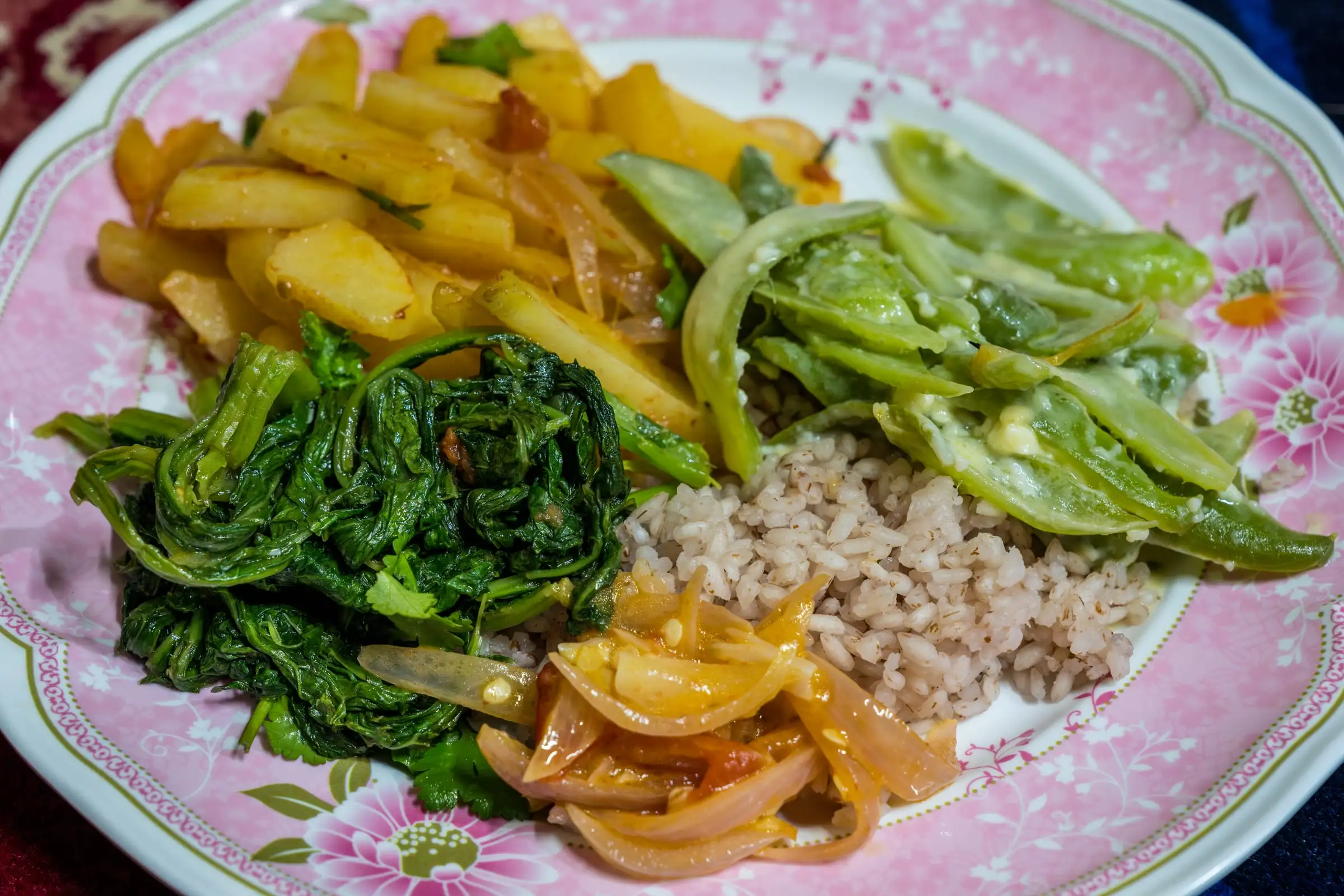
Cooking ema datshi properly
Chillies are a vegetable here, not a seasoning. Learn the national dish of chillies and cheese, along with kewa datshi, red rice and buckwheat pancakes, then eat what you made.
-
Thimphu, Bumthang, Khoma
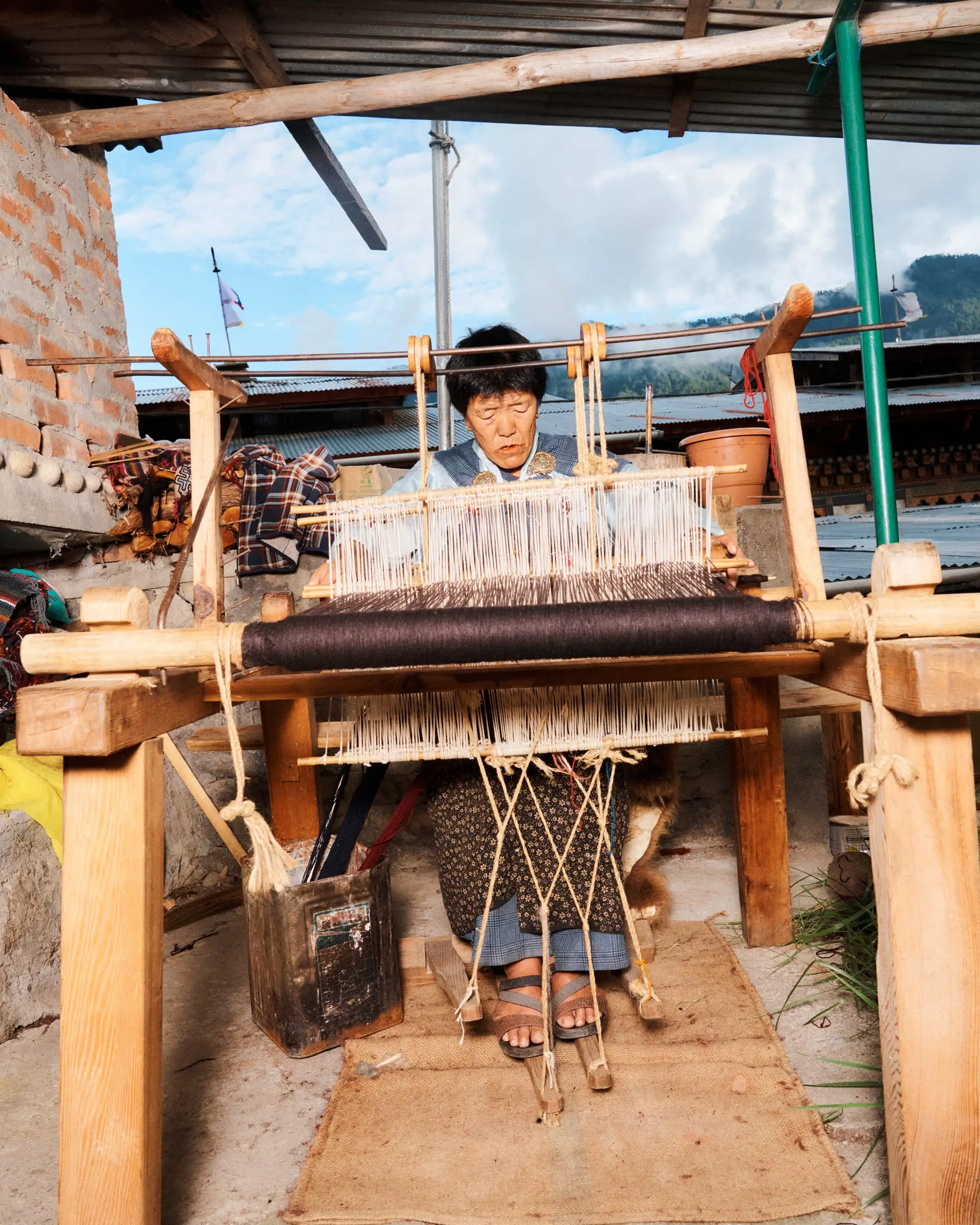
Weavers and natural dyes
Bhutanese textiles can take months to weave. Meet weavers at their looms, see wool coloured with madder, indigo and lac, and learn how to tell a kira woven by hand from a machine copy.
-
Thimphu
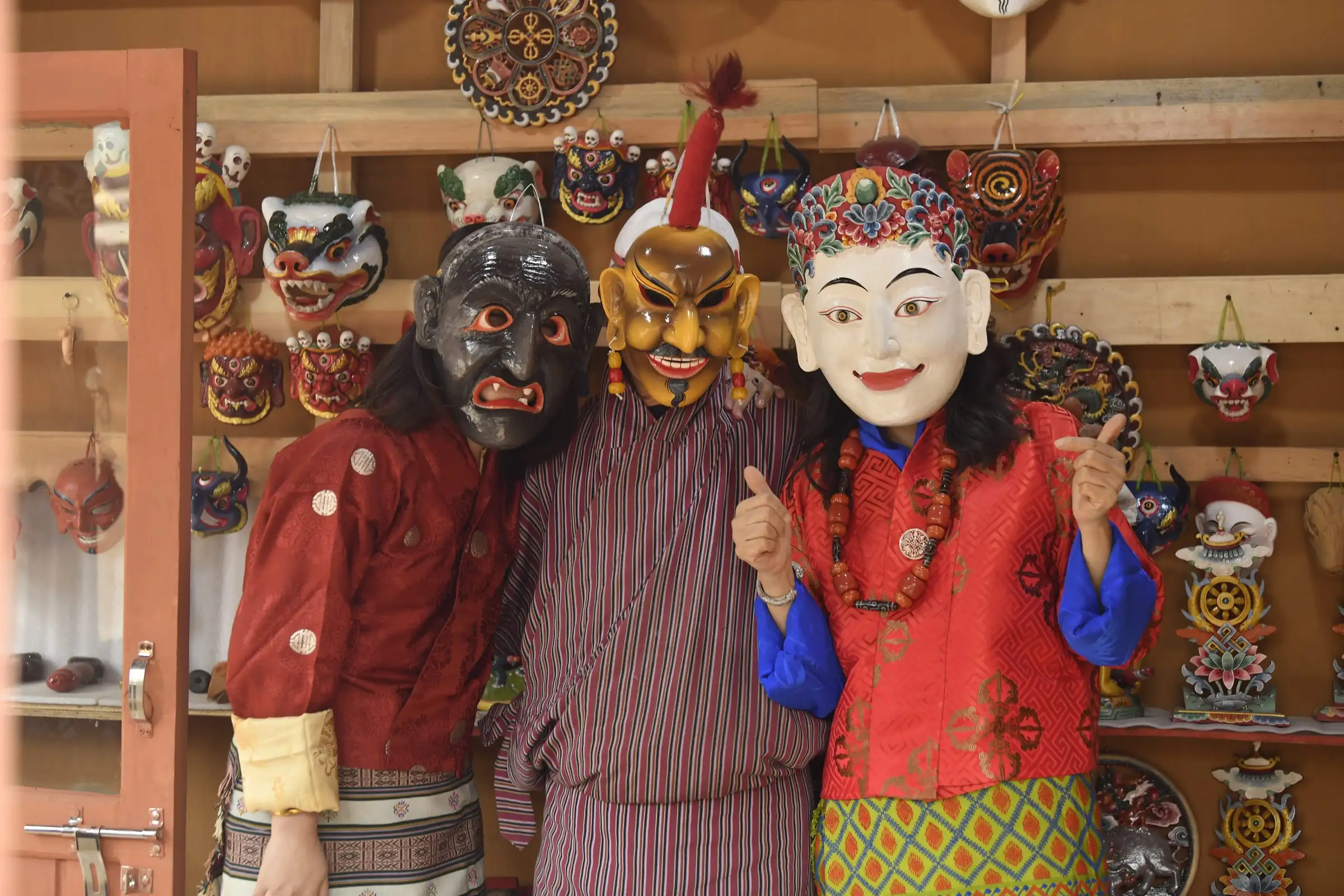
The thirteen traditional arts
At the institute where young Bhutanese train in painting, carving, sculpture and embroidery, students work on thangkas and masks with extraordinary patience. Visits are arranged around the academic calendar.


On foot, wheel & water
Bhutan rewards travellers who leave the vehicle behind — on trails between monasteries, on quiet valley roads, on the glacial rivers below the dzongs.
-
Dochula, Chele La, Thimphu
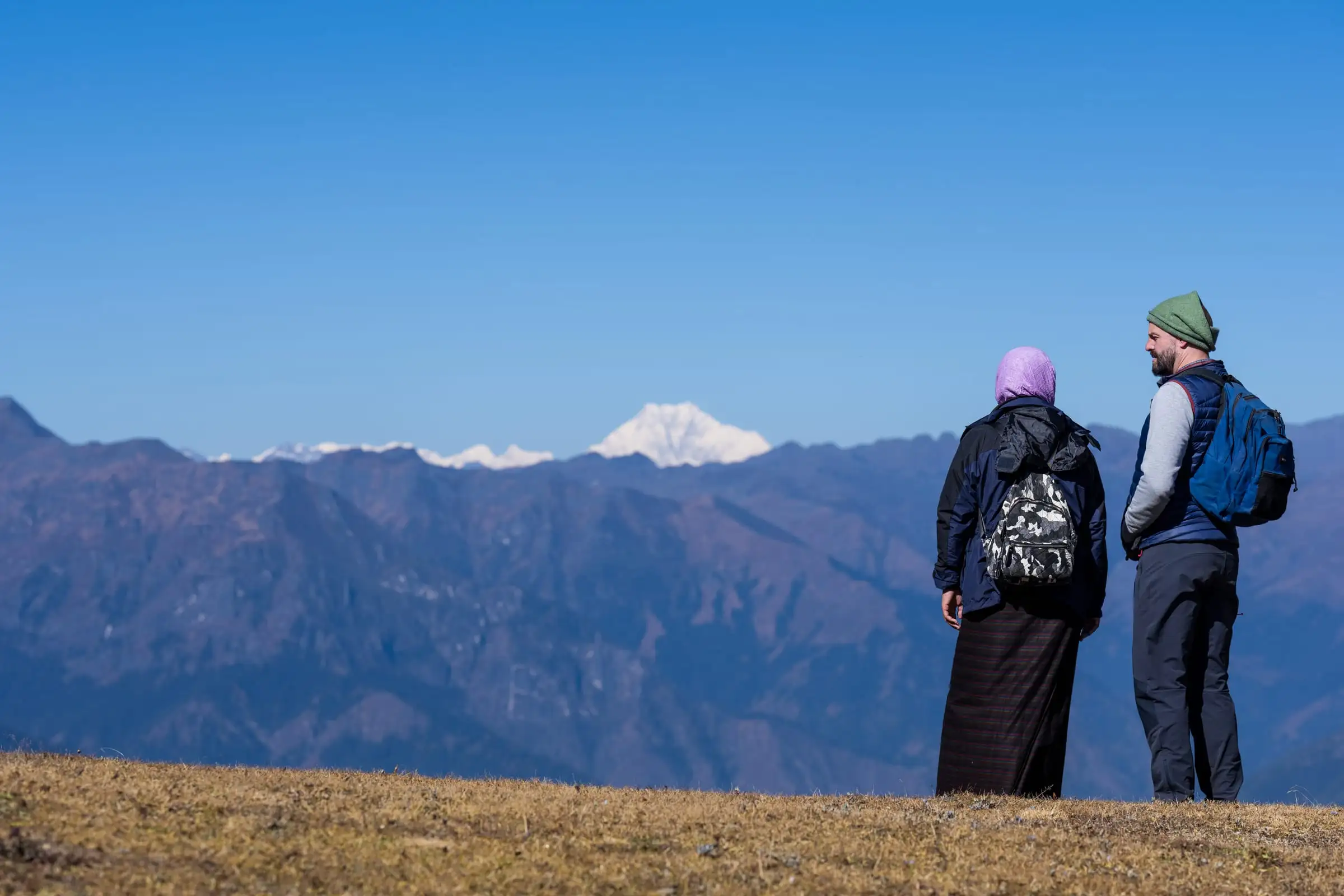
Ridge walks between monasteries
From the prayer-flag summit of Chele La to the forest trail above Dochula, day hikes give you the Himalaya without the camping. On clear mornings, Jomolhari fills the northern horizon.
-
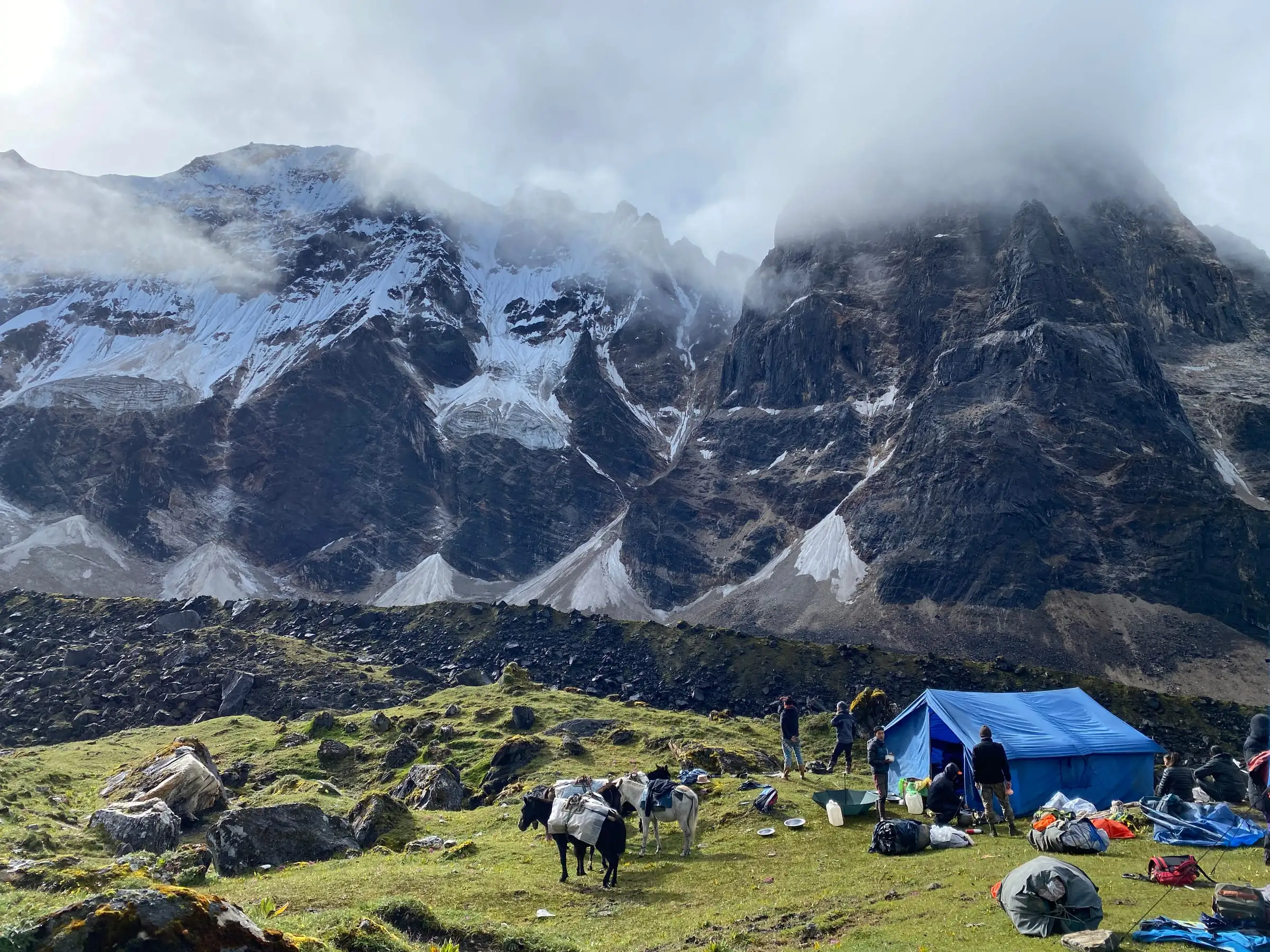
Druk Path, Jomolhari
Camping treks with a full crew
Pack horses carry the load while a cook and crew set up camp beside glacial lakes and yak herders’ pastures. Our treks are paced for acclimatisation and run only in the right seasons.
-
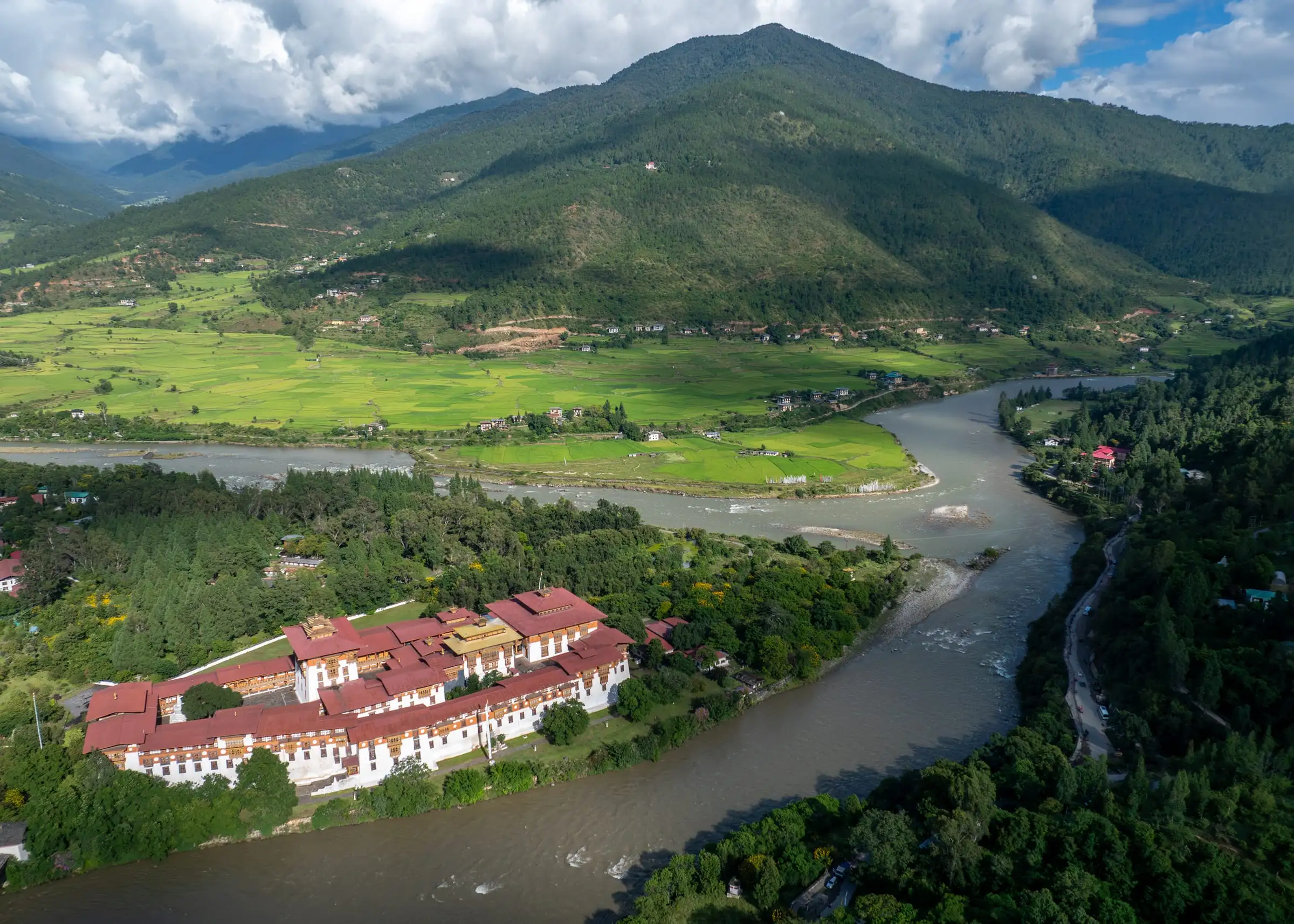
Paro, Punakha, Bumthang
Cycling the valley roads
Quiet, well-surfaced roads through rice fields make easy, beautiful riding. Mountain bikes and support vehicle are arranged for anything from a gentle hour to a long descent from a pass.
-
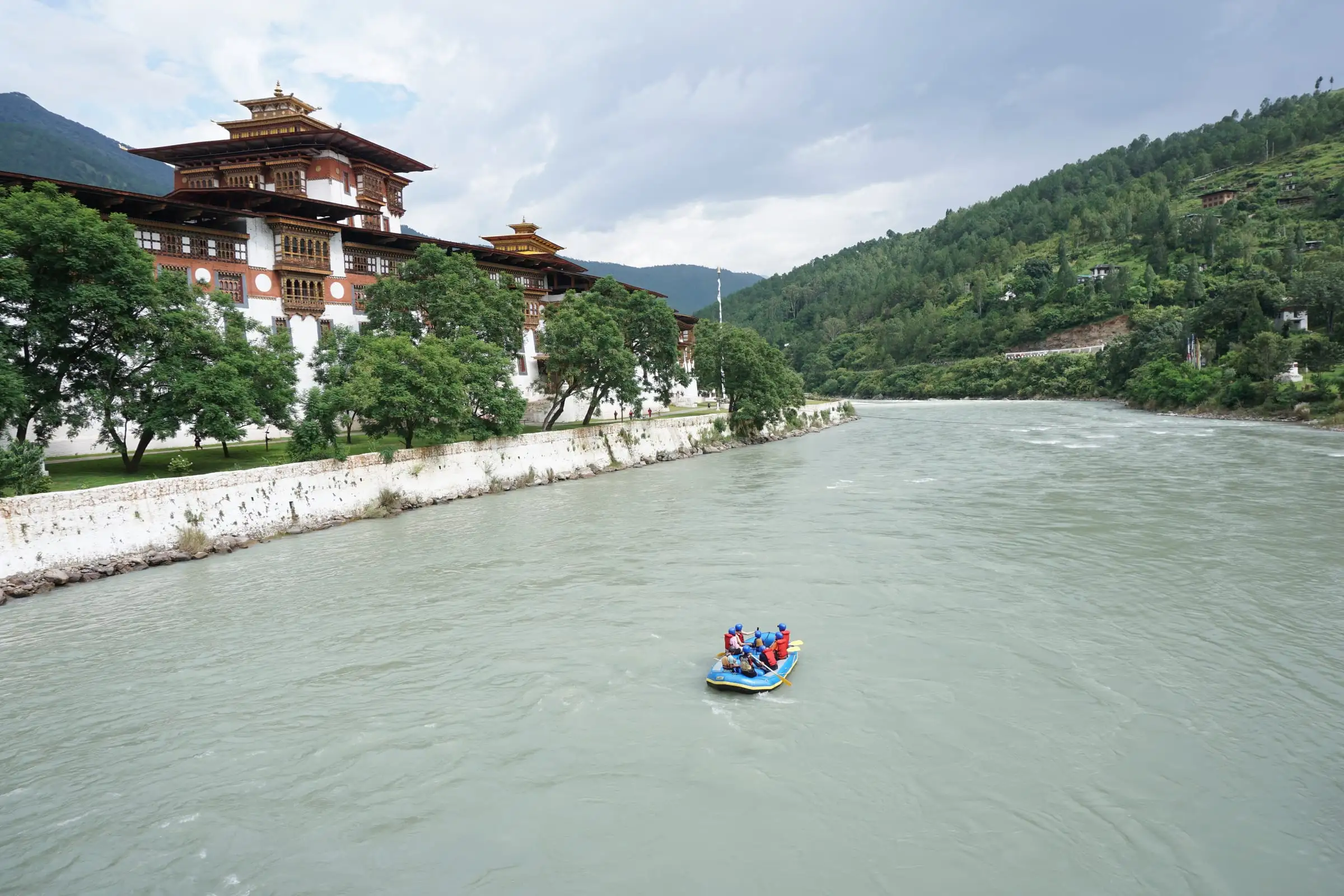
Punakha
Rafting beneath Punakha Dzong
A gentle float on the Mo Chhu with qualified local guides, ending in sight of the dzong. More challenging stretches of the Pho Chhu are available for experienced paddlers when water levels allow.


Stillness & wellbeing
Slow mornings, a teacher who can explain meditation simply, and the particular calm of a temple at dusk.
-
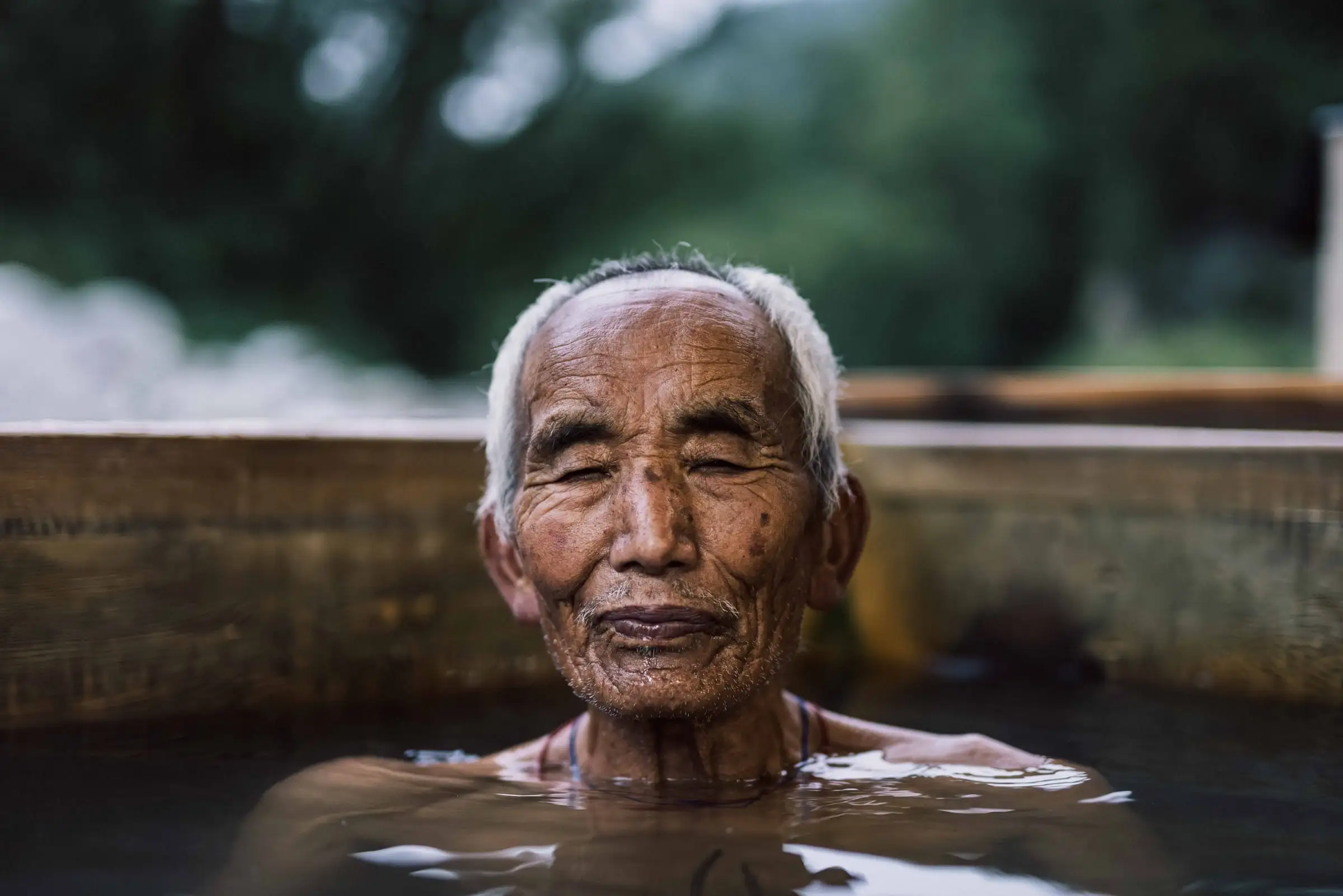
Paro, Haa, Bumthang
A traditional hot stone bath
River stones heated in a fire are lowered into a wooden tub, releasing minerals into water scented with artemisia. Farmers have used dotsho to ease aching muscles for generations — it is perfect after the Tiger’s Nest climb.
-
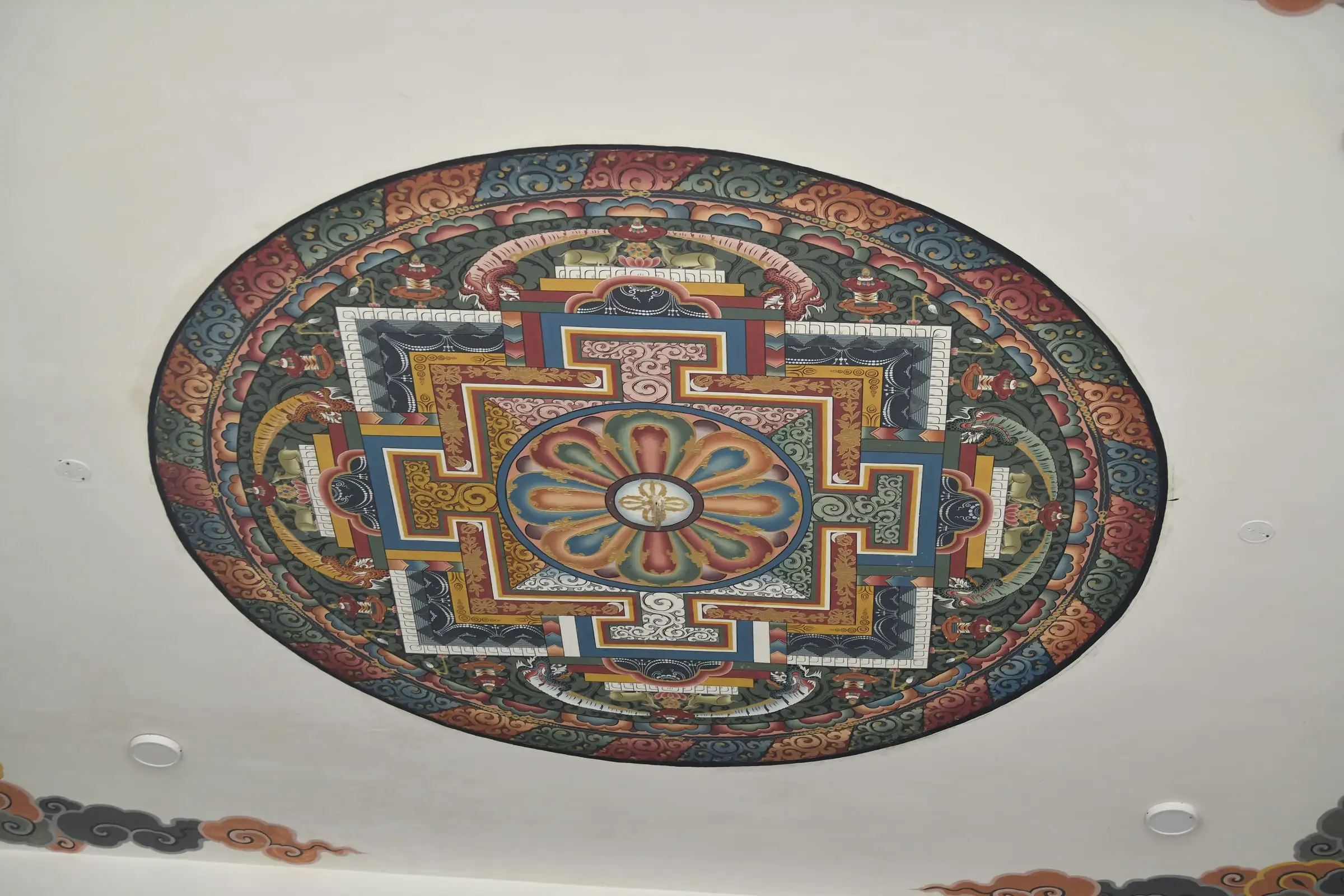
Thimphu, Punakha, Bumthang
Meditation with a teacher
Short guided sessions with a monk or lay teacher who can explain the practice simply and answer questions honestly. Ideal for beginners; longer retreats can be arranged on request.


Festivals & sport
Masked dances that have been performed for centuries, and an archery match where the banter is as competitive as the shooting.
-
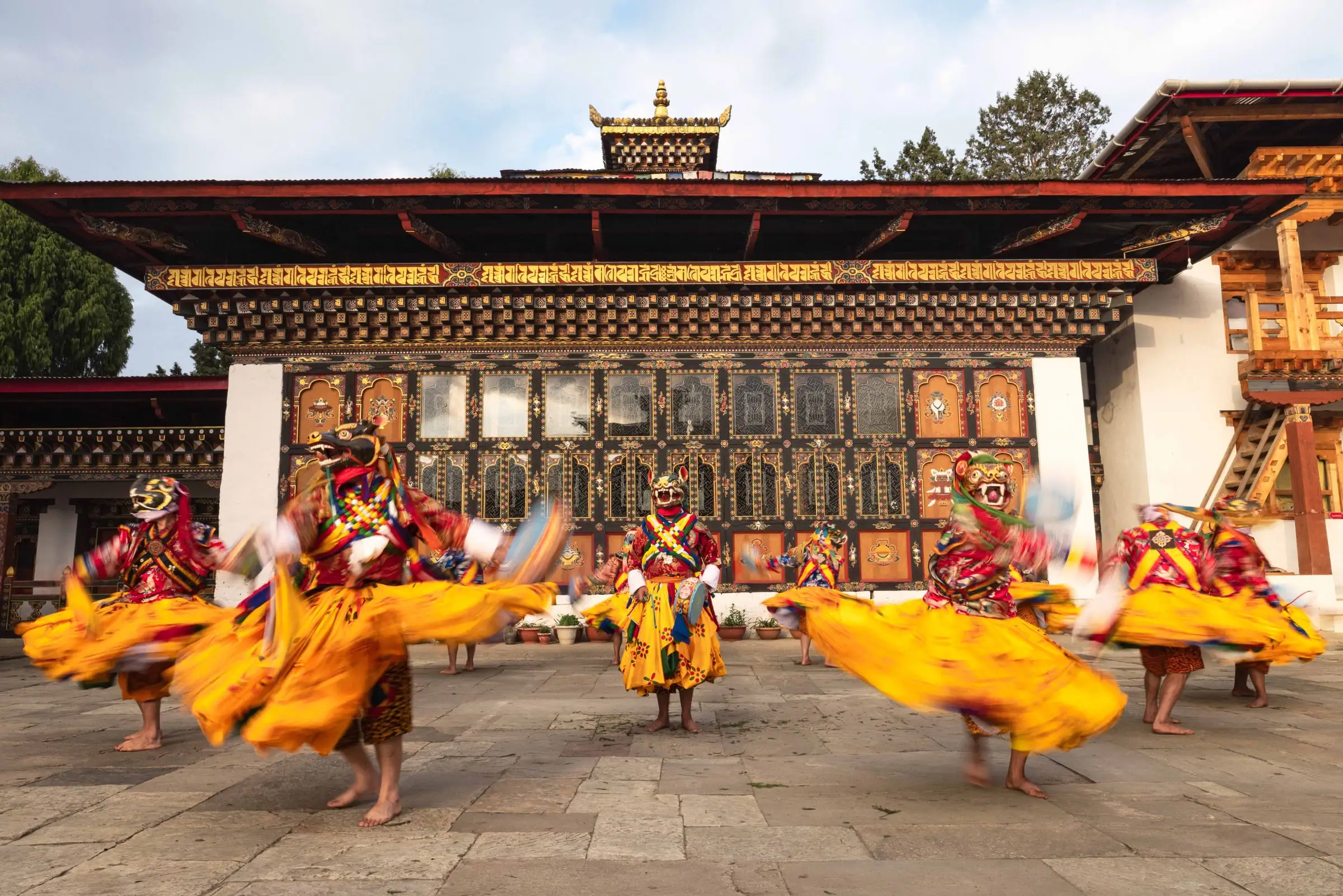
Paro, Thimphu, Punakha, Bumthang
A tshechu in the dzong courtyard
Masked dancers retell Buddhist teachings to the sound of long horns and cymbals while whole villages watch in their finest clothes. Dates follow the lunar calendar and are confirmed each year.
-
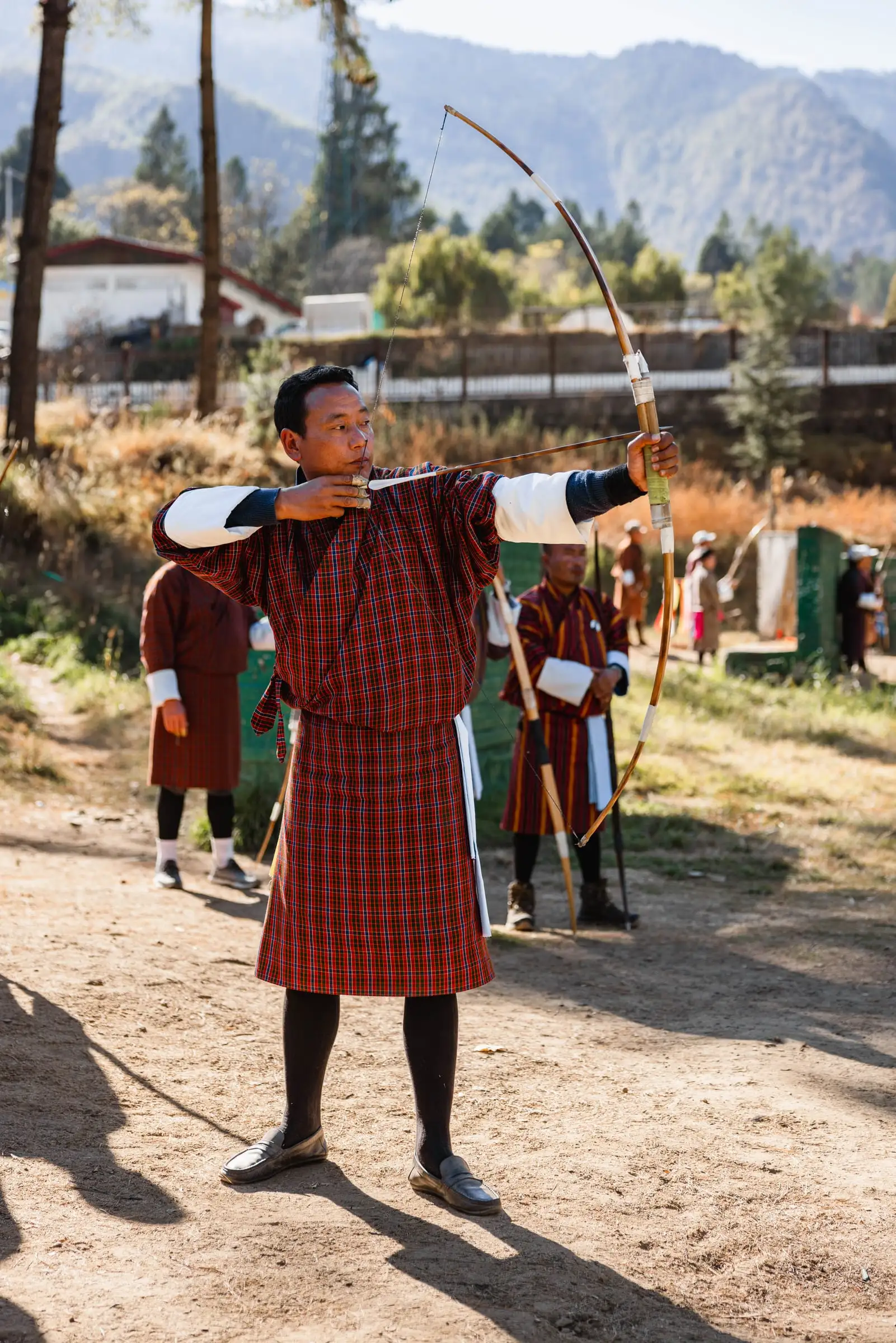
Any village ground
Archery, the national sport
Targets stand around 145 metres apart, and teams sing and dance to celebrate a hit — or tease their opponents after a miss. Watch a match, or try a traditional bamboo bow yourself.


Nature & wildlife
Old-growth forest, high pastures and wetlands that host some of the Himalaya’s rarest birds.
-
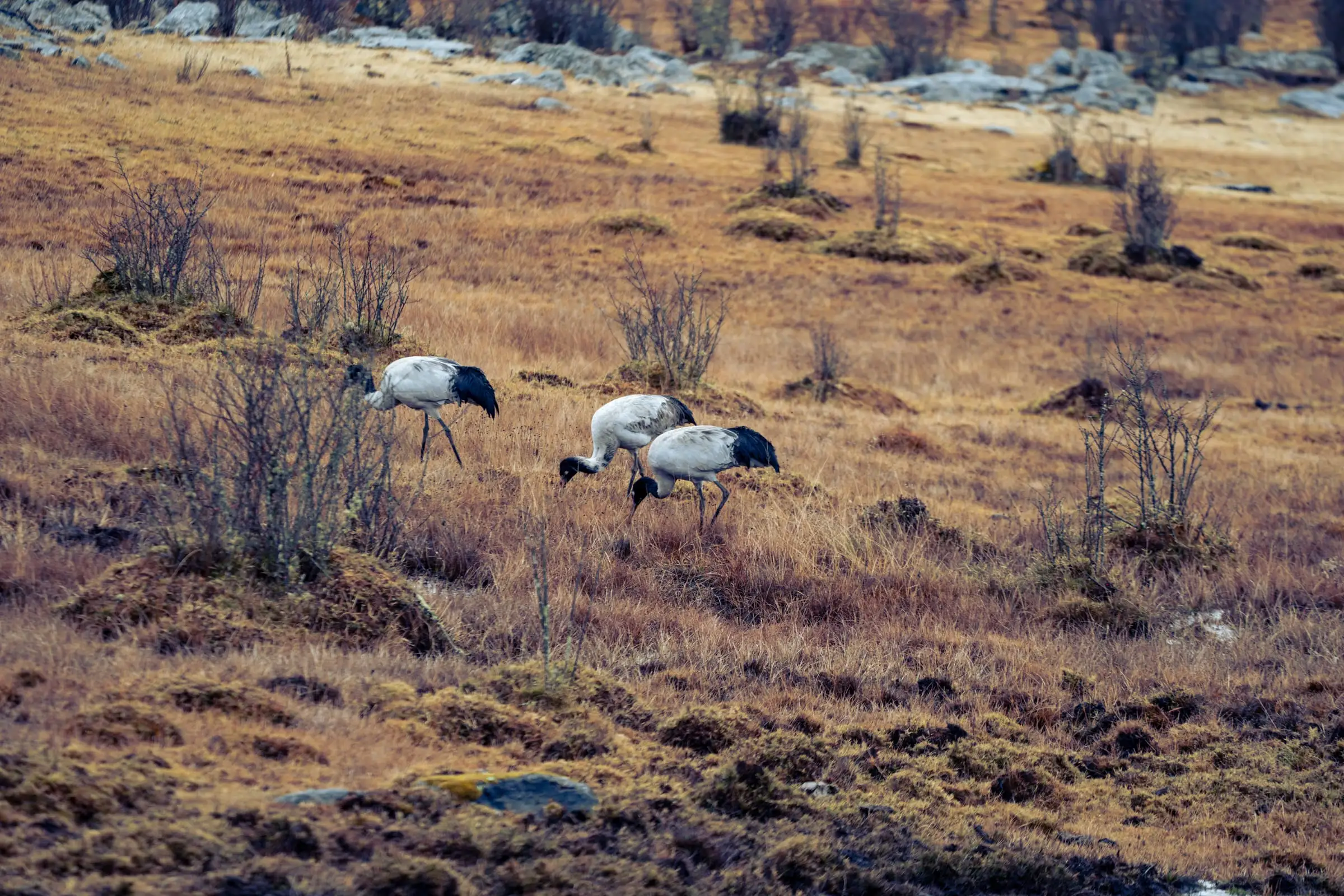
Phobjikha
Black-necked cranes in Phobjikha
From late October to February these rare cranes winter in the Phobjikha wetlands. Watch them at first light from the valley trails, then visit the crane centre run by local conservationists.
-
Dochula, Trongsa, Bumthang
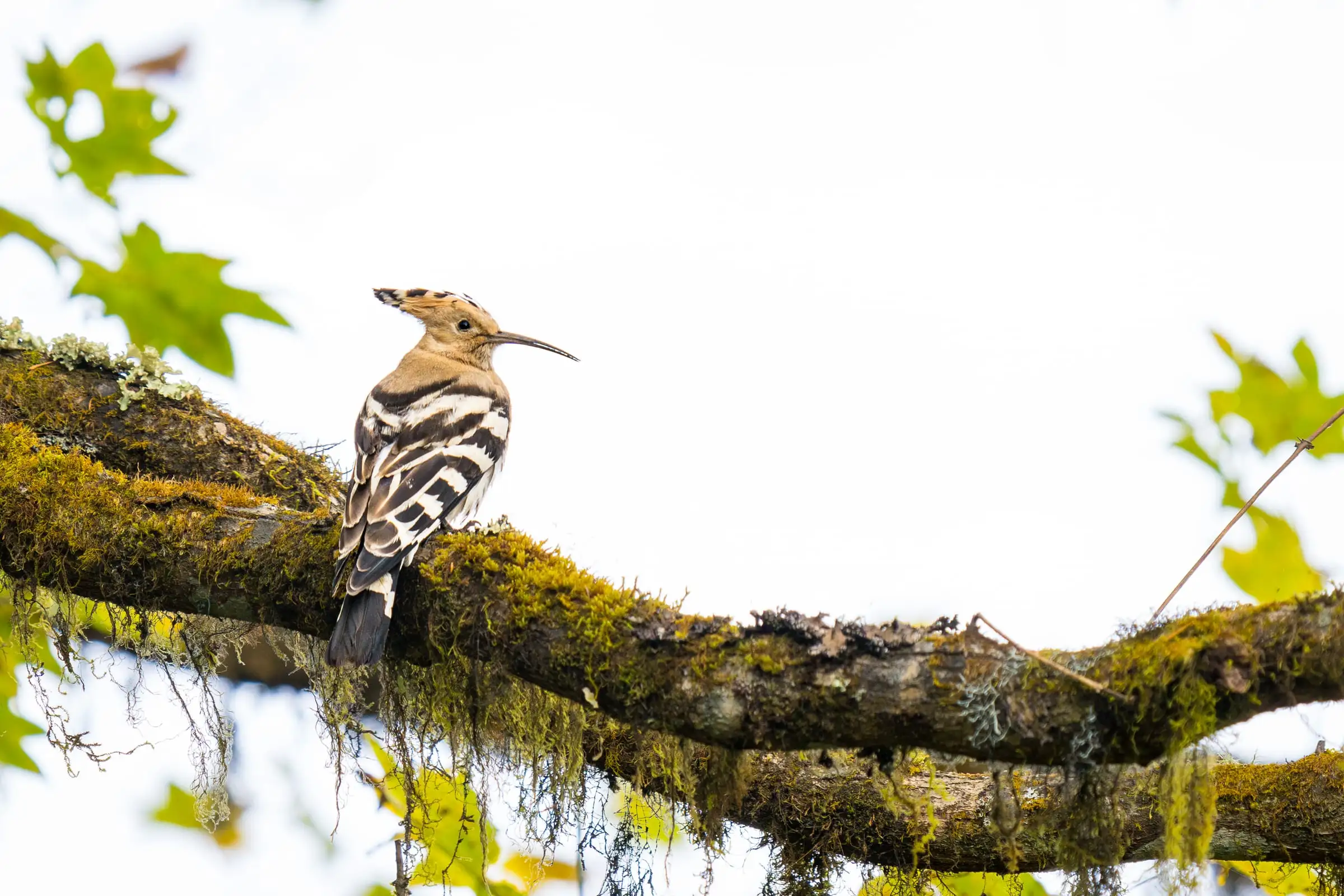
Birding and forest walks
Moss-draped forests around the passes hold an exceptional range of Himalayan birds. With a naturalist guide, look for laughingthrushes, sunbirds and, in the right valleys, hornbills and golden langurs.
-
Across the country
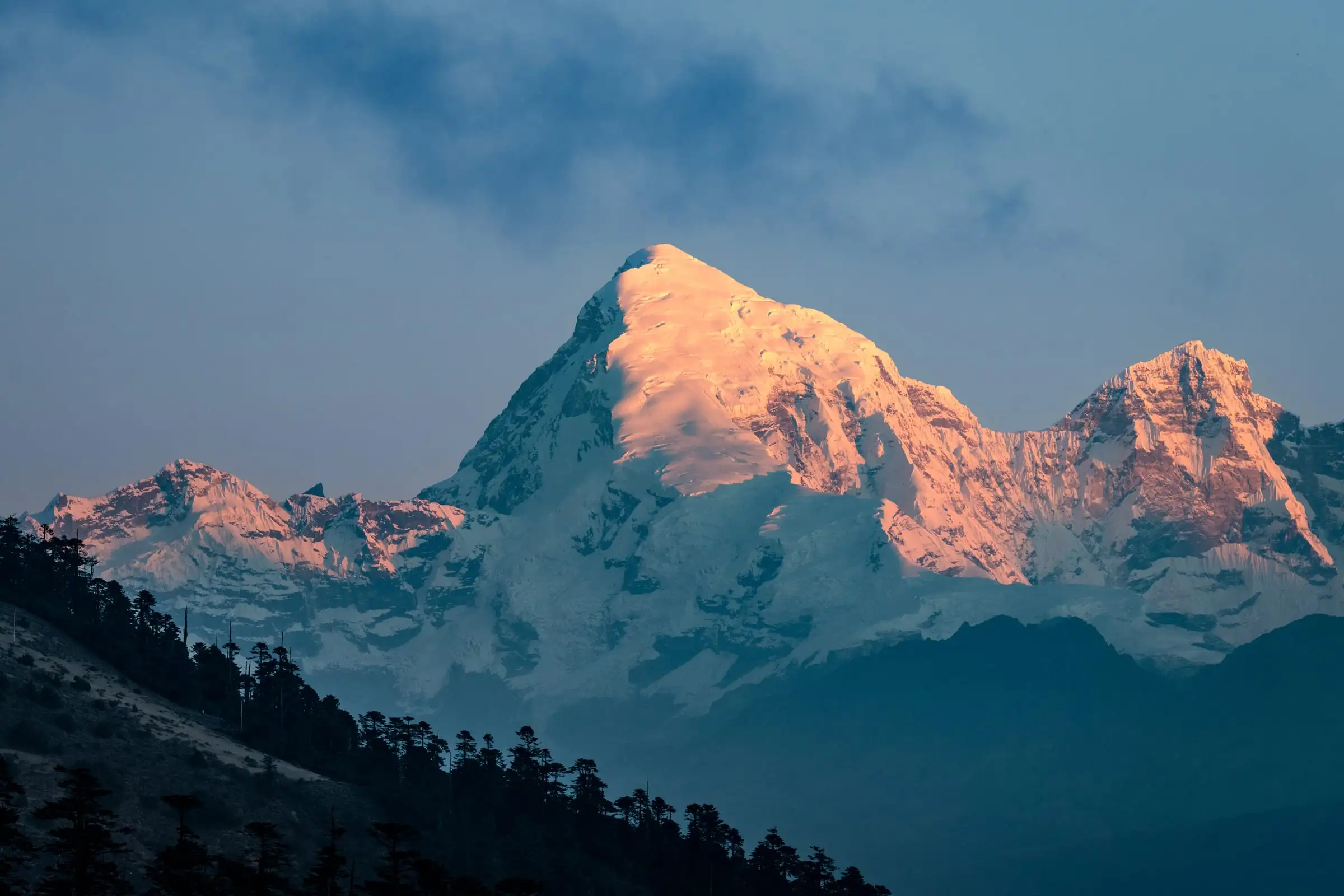
Photography at the right hour
We plan around light: Dochula at sunrise, Punakha Dzong at dusk, Chele La on a clear morning. Guides know where photography is welcome and where it is not — inside temples it never is.


Start the conversation
Tell us which ones speak to you
We will weave them into a route that makes sense — and leave room for the surprises.